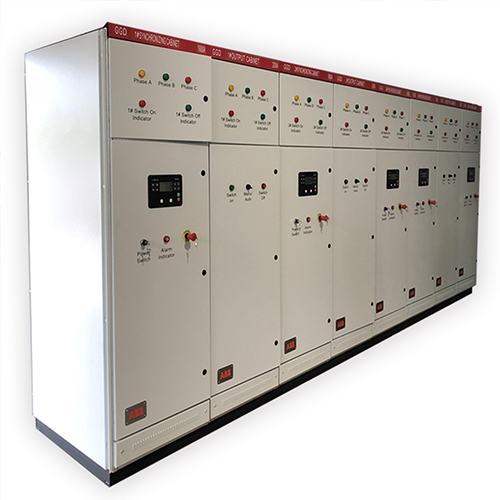
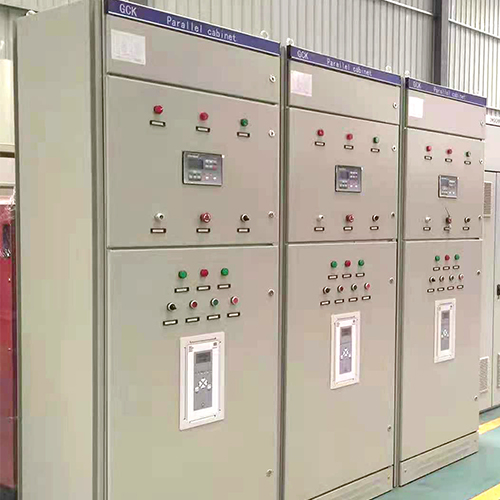
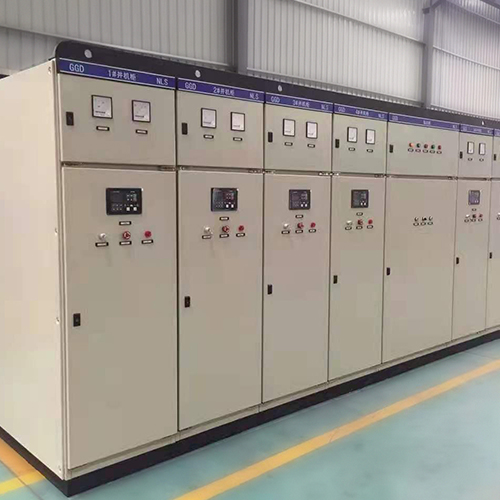
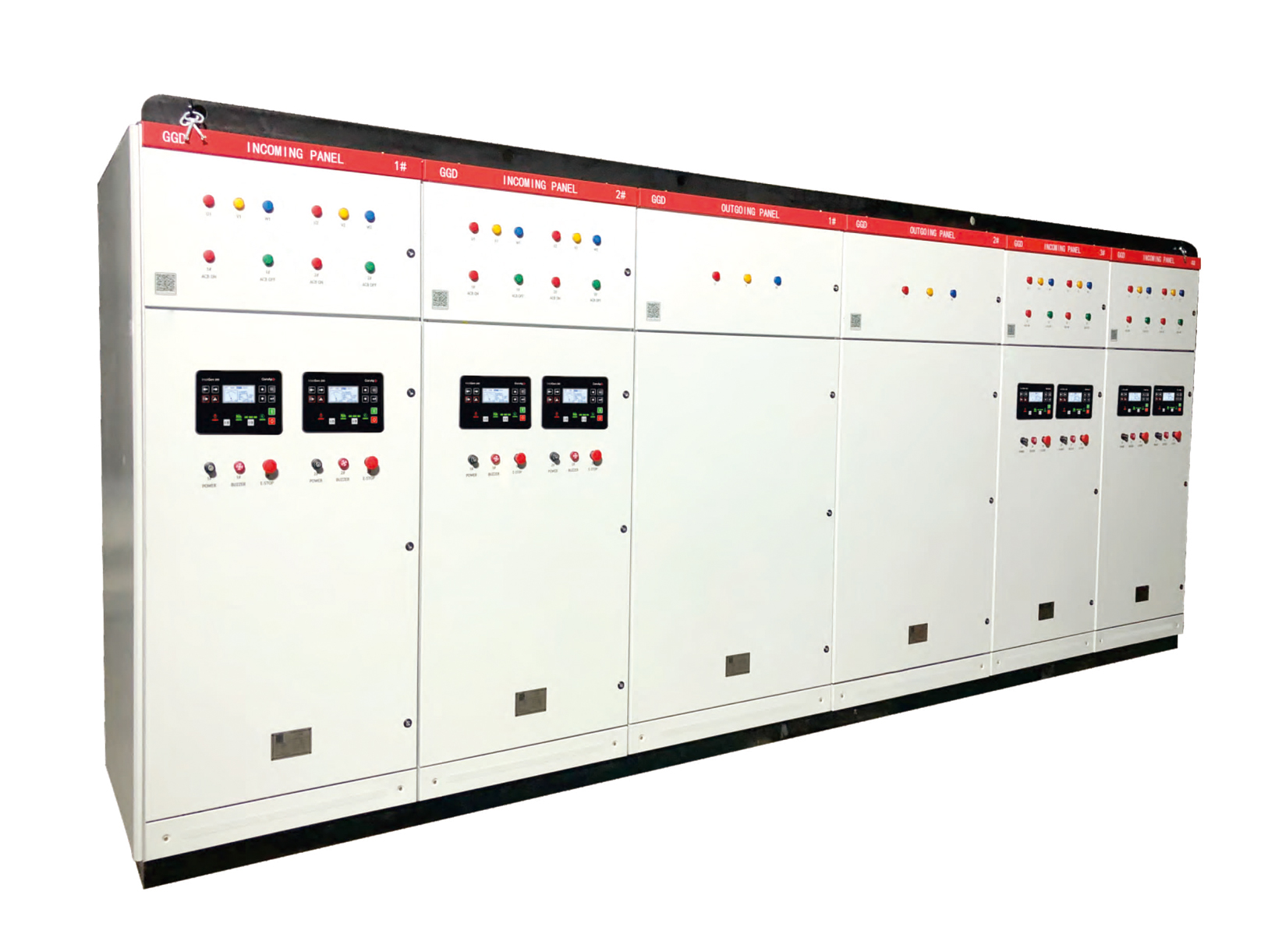
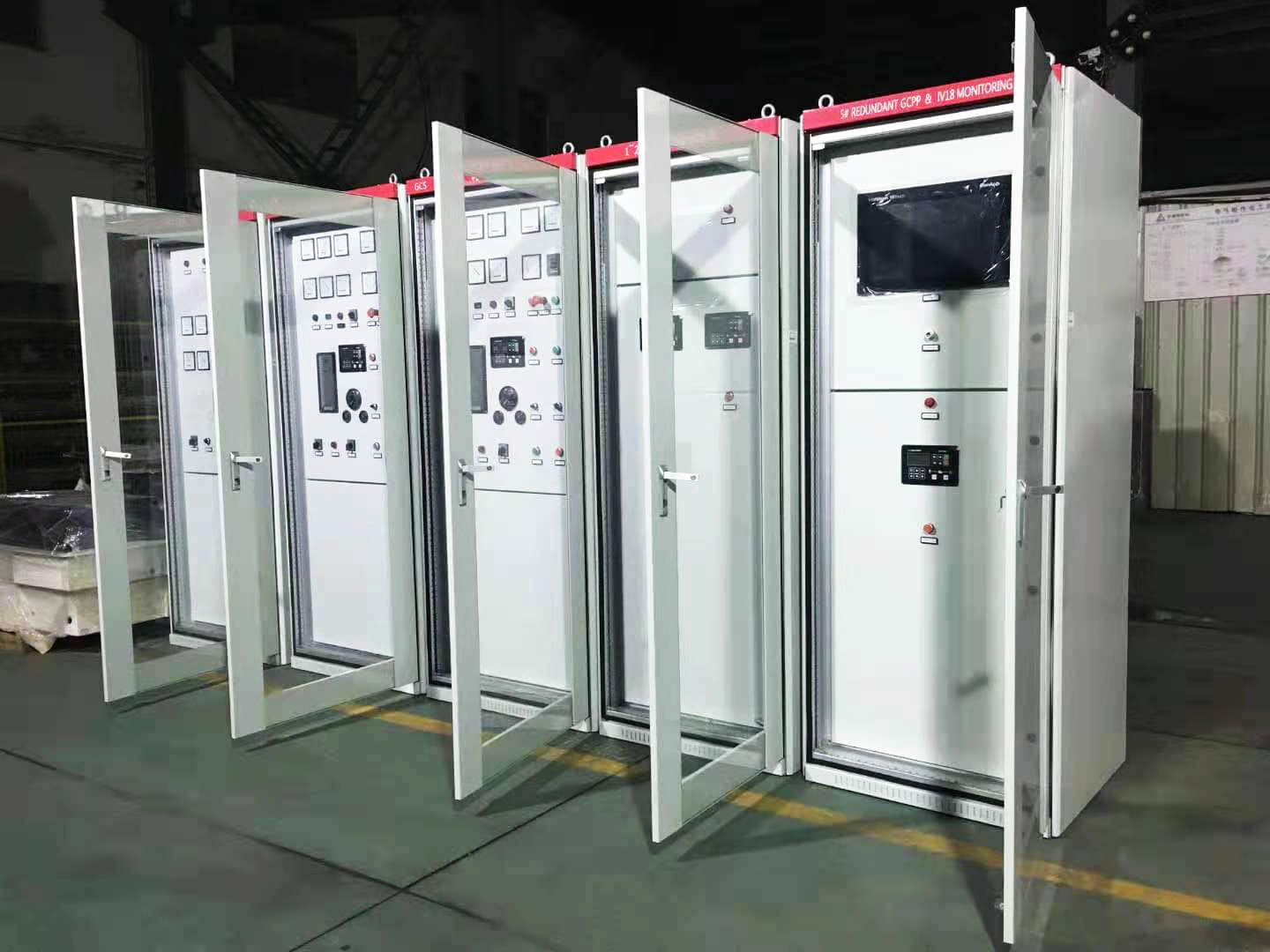
The GEB series parallel control cabinet is an intelligent type of parallel control cabinet, which can not only achieve single-machine operation, parallel operation of multiple machines, but also be used for parallel operation with the power grid. When operating in parallel, it automatically realizes frequency/voltage adjustment, synchronous closing, and the distribution of active and reactive loads according to the set values. It provides comprehensive monitoring, protection and fault diagnosis functions for the generator set. The control system is designed with an automatic parallel operation system and an emergency manual parallel operation system.
The GEB series redundant cabinets are composed of two or more controllers to form a backup redundancy protection system. When the main controller fails, the backup equipment can be switched to each other through hardware, software or manual means to replace the equipment that cannot work normally due to the failure, thereby maintaining the normal operation of the system and minimizing the losses caused by unexpected shutdowns of the system.
It adopts configurations such as MNS-E, GGD, GCK or side cabinet type, ComAp Ig4200 or IG 500G2 control and parallel operation modules, and electrically operated circuit breakers.
Standardized assembly line production ensures high product consistency and stable quality.
"UL lines are used to meet international standards;
The controller is fully certified as an original European import.
"High-standard surface treatment: powder coating;
The QR code information is printed on the panel and can be checked at any time without being lost.
The controller is multilingual compatible (including 22 languages such as Chinese, English, German, French, Greek, Finnish, etc.)
The electrical circuit is equipped with surge protection diodes;
"Aviation pins are defined for each pin, with good universality and mutual control."
"Customized UV printing to highlight user characteristics;
It can be expanded to more than 32 units in group parallel projects, up to 32 groups, or 64 units in single group parallel operation.
"Built-in PLC function to meet complex logic control requirements;
Standardized copper busbar and wiring standards;
Optional distinctive appearance design and color matching;
"Open the test software;"
It is equipped with a built-in USB main port (USB flash drive can be inserted for storage/upgrade), and all analog inputs can be connected to voltage/current/resistance sensors, with a basic output voltage of 5V.
"" Multi-level password protection
The parallel operation and grid connection mode can be switched on the whiteboard.
Detection of operating parameters of generator sets
"
Rotational speed monitoring
- Oil pressure monitoring
Cooling temperature monitoring
Three-phase voltage monitoring
Three-phase current monitoring
Power supply monitoring
Frequency monitoring
Load power factor measurement
Battery voltage monitoring
Fault history record
Status indication
"
- Unit operation and malfunction
- Indications for closing and opening the unit
Protection function
"
It has protection functions such as overvoltage, undervoltage, overload, overcurrent and short circuit.
It features fault alarms for rotational speed, engine oil pressure, water temperature/oil temperature, battery voltage, etc., and automatic protection.
Start the operation mode
"
- Call mode: After the mains power is cut off, the unit manages power according to the preset power reserve and executes the power call mode. When the load of each unit exceeds the preset load, it calls the next unit to start and distribute the load in parallel.
- Full start mode: It is suitable for setting up when a large load is carried at one time, and all units will start up and be distributed under load after a power outage.
· Multilingual selection
It meets the requirements of multiple international standard communication modes and protocols, and can execute a series of communications such as CANJ1939
Automatically switch the operation of the generator sets by balancing and replacing the power management based on the cumulative operating time of the generator sets